Colour Schemes for Period Riverside Houses
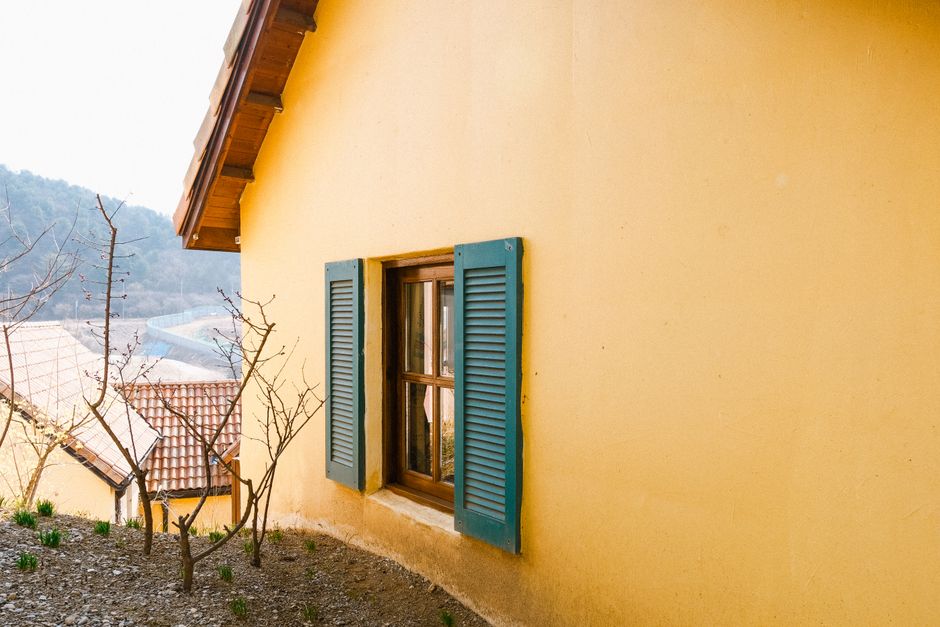
Most people choose a colour from a tiny paper chip held indoors, and then it looks entirely different on a two-storey wall in full Riverside sun, and riverside painting contractor cadsf sets the order of choices to avoid that. Painting a period house in Riverside, CA is a matter of roles first (body, trim and accent) and shades second. The paint work on a Queen Anne and on a Mission Revival house follows different logic.
Three roles on every house
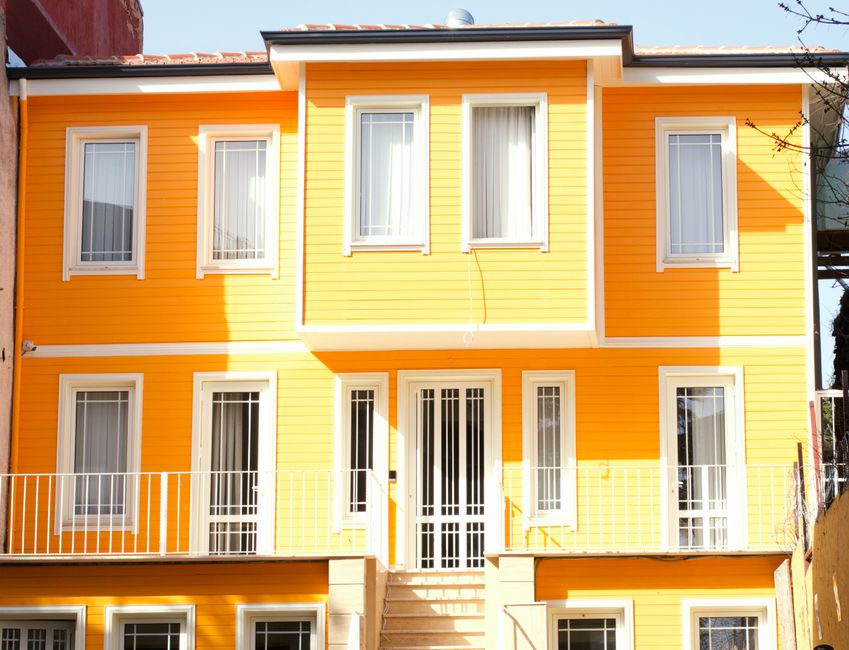
The body is the largest field, the trim outlines the windows, corners and fascia, and the accent picks out a few details such as the front door, the brackets or the porch spindles. Keeping to three colours, sometimes four on an ornate Queen Anne, stops the carving from turning into noise.
Queen Anne palettes
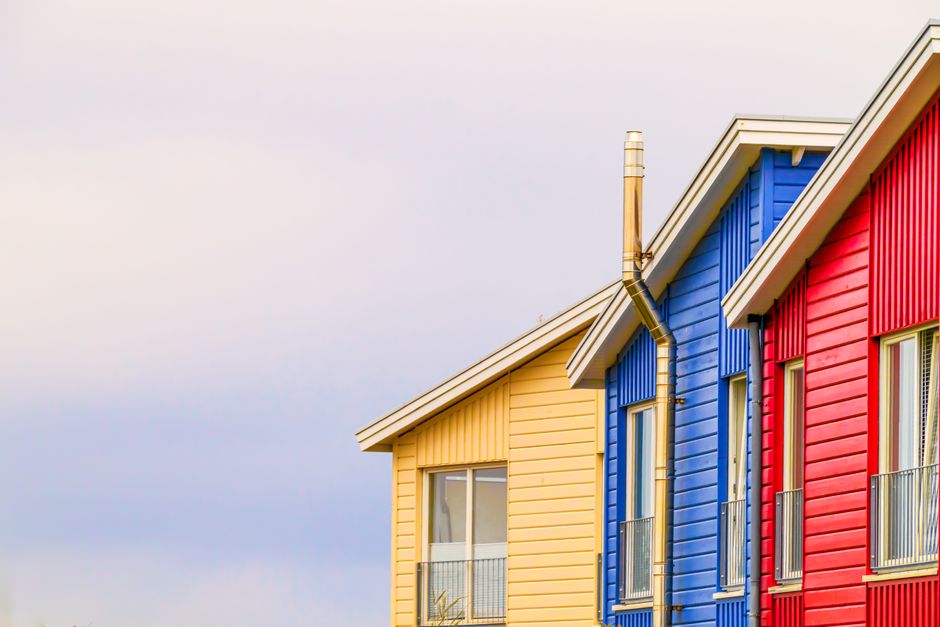
These 1800s houses were often painted in several deep colours, with the shingles, the siding and the trim each handled differently. Muted greens, ochres, brick reds and deep browns suit them, with a lighter trim to show the profiles. A sheen that is too glossy on the shingles looks modern, so an eggshell or flat acrylic latex fits better on the body.
Mission Revival palettes
Mission Revival houses, the style of the Mission Inn, are about smooth stucco walls and tile roofs. Warm whites, creams and soft sand tones sit well on the stucco, and the trim and ironwork take darker earth colours. The roof tile sets the undertone, so the walls are matched to it rather than the other way around.
What strong sun does
Intense Inland Empire sun washes out pale colours and fades reds and deep blues faster. A colour is read at three times of day: early morning, noon and late afternoon. A slightly deeper shade than the chip suggests often lands right outdoors.
Sample boards on the wall
A two-foot square of each colour is painted on the actual wall, on the sunny side and the shaded side, and left for a few days. Using a primer under the sample stops the old colour from skewing the test. The final topcoat sheen is checked too, since a satin and a flat of the same colour read differently. Two coats of the chosen paint then go on with the sprayer or roller, and a brush finishes the edges.
Respecting the original
Old photographs, paint scrapes down to the first layer, and neighbouring houses on the same block all help set a period-appropriate palette that suits Riverside.